LinkedIn marketing for B2B: which of the three channels books meetings, and which risks your account
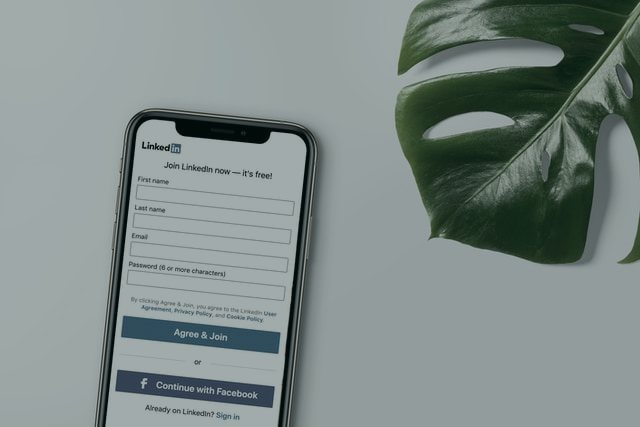
LinkedIn marketing for B2B is the use of your profile, your posts and direct messages to reach business buyers and move some of them into a conversation. The three behave very differently. One gets you to a meeting quickly and carries real risk. The others are slower and safer.
Most guides you'll find stop at profile tips or an agency's service page. This one is for deciding where to put your effort.
Start with the risk, since it shapes everything else
Direct messages are the quickest route to a meeting, and they're also where accounts get into trouble. LinkedIn's own policy says it doesn't allow third-party software or extensions that automate activity on an account, and that breaking the rule can lead to restrictions. That's LinkedIn's policy page, not a study.
In our experience the practical danger is a sudden change in pace. Our own working number: an account that jumps from 15 connection requests a day to 50 is the kind that gets restricted. That figure is MDR's, not LinkedIn's. If an agency will be touching your account, check this first.
LinkedIn marketing for B2B, channel by channel
| Direct messages | Content | Profile | |
|---|---|---|---|
| Speed to a first meeting | Fastest of the three | Slow, and hard to predict | Slow, since a profile never starts a conversation |
| Effort | Heavy at the start: list, copy, follow-up | Steady, week after week | One build, then occasional touch-ups |
| Account risk | Highest, mostly from automation | Low | Very little |
| What to measure | Reply rate and meetings booked | Replies and inbound messages after a post, not likes | Whether a visitor grasps who you are in a few seconds |
Your profile matters even though it won't book anything on its own. Every message sends the recipient to look you up. Ours, and our clients' company pages, are always written in English, even for Israeli audiences.
What makes a direct message work
Length is the lever we trust most. Our messages stay under 80 words, and the winners land around 70 to 80. There's a fuller write-up on that range. Across years of client campaigns, a well-run one lands somewhere in the 18-25% reply range. Again, that's our own experience.
The list matters just as much. One method is to build it from a competitor's company-page followers, filtering out that company's own employees first. It's new to us, and we haven't yet run a full campaign on it under our own name. Here's the whole story, including what we couldn't verify.
When each channel is the wrong call
- Profile only. If you need meetings this quarter, nobody will find a polished profile unless you reach out.
- Content. If no one on your team can write on a schedule, a post every few weeks builds very little.
- Direct messages. If your profile is thin, your offer is fuzzy, or your account is new and has been quiet until now. A sudden jump in activity on an account like that is the shortest path to a restriction.
Vetting whoever is selling this to you
There's a three-question test for separating real work from work that only looks busy. We ran it on ourselves and found one honest gap.
You can also ask any agency to show you a real message they've sent, then count the words. A message that's longer than it needs to be usually means nobody checked it against results.
If you're starting with one channel, begin with a clean profile and add direct messages at a careful pace. Posts come once someone owns them for the long haul.
60 to 80 words. The LinkedIn message length that converts.
People scroll on LinkedIn. A 130-word DM ran for days with zero conversions, the proven winners sit at about 70 words. The cap is a conversion rule.
LinkedInBefore you let an agency automate your LinkedIn outreach, check this first.
A jump from 15 connection requests a day to 50 is what gets a LinkedIn profile restricted, not filtered as spam. Check it first.
Want this applied to your own outbound? That is a 20-minute call.
Book it